Blog
Redefining Luxury Hospitality: The Role of Iconic Architectural Spaces

The hospitality industry continues to evolve at a rapid pace, driven by shifting consumer demands for experiences that blend exclusivity, innovation, and cultural resonance. Central to this transformation is the emergence of architectural landmarks that transcend their physical spaces to embody a brand’s ethos and create immersive environments. These structures serve not only as hotels but as symbols of identity, community, and elevated lifestyle—bringing together design excellence with operational sophistication.
The Strategic Significance of Architectural Landmarks in Hospitality
In an increasingly competitive marketplace, *distinguished architectural designs* serve as critical differentiators. According to industry reports, properties that feature standout architecture attract higher occupancy rates and command premium pricing. For instance, a study by SmithTravel Research underscores that hotels located in landmark buildings often see a revenue uplift of 15-20% compared to comparably priced contemporaries, citing factors such as aesthetic appeal, cultural relevance, and social media virality.
Consider the case of globally recognized examples like the Burj Khalifa in Dubai or the Marina Bay Sands in Singapore—they are not merely places to stay but destinations that generate global buzz and foster brand loyalty. This principle applies locally as well, where carefully curated spaces can serve as symbols of regional identity, attracting both international visitors and local patrons.
The Role of Cultural Authenticity and Design Innovation
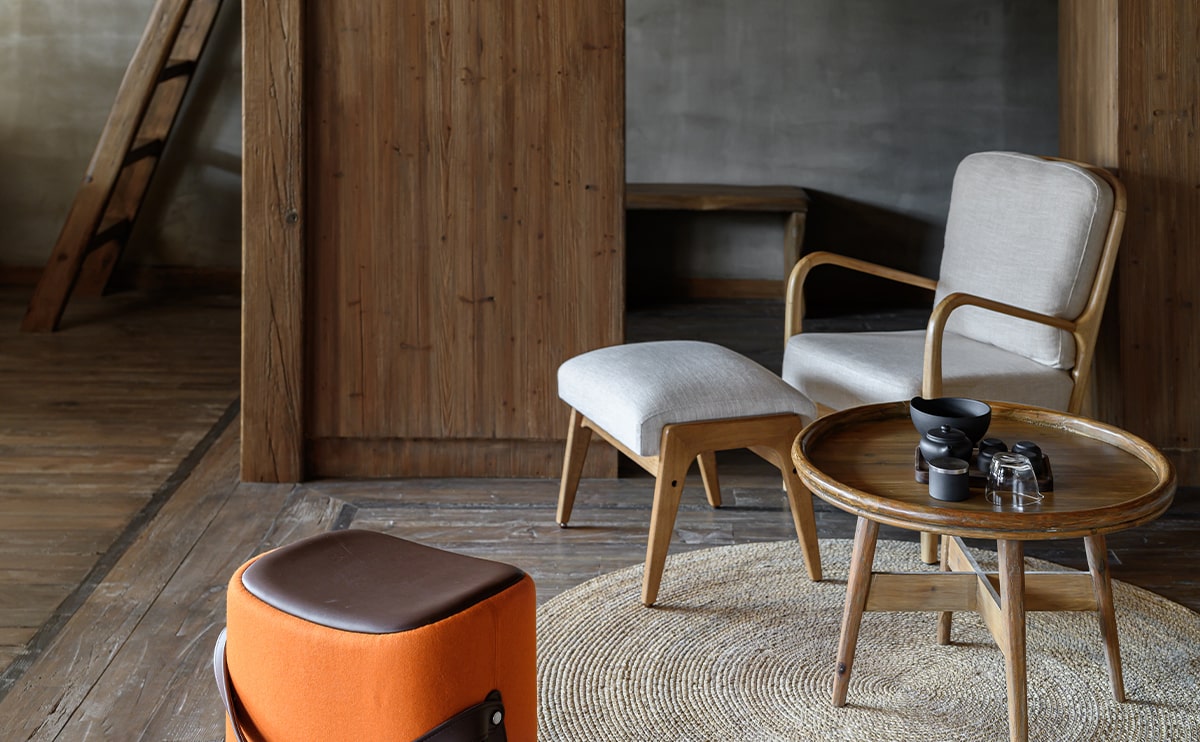
At the intersection of architecture and brand storytelling lies the importance of cultural authenticity. Modern luxury consumers increasingly seek immersive experiences that reflect place-based narratives. This trend underscores the significance of integrating local culture into the design language of a hotel or resort. An exemplary case is palace, which exemplifies this approach through its meticulous design that marries historical grandeur with contemporary comfort.
Such spaces often incorporate regional motifs, artisanal crafts, and sustainable design principles, creating authentic environments that resonate deeply with guests. The challenge, however, lies in balancing cultural integrity with avant-garde architectural techniques, often leading to groundbreaking aesthetic solutions. Integrating state-of-the-art materials with traditional craftsmanship yields buildings that are both timeless and innovative.
The Future Landscape: From Functionality to Iconography
As technological advancements continue influencing architecture—from smart building systems to augmented reality—hotels that pioneer these innovations are becoming the new icons of luxury. The iconic palace destinations exemplify how architecture can be both functional marvels and cultural icons, elevating the guest experience through curated design and thoughtful spatial planning.
“In the realm of luxury hospitality, architecture is not merely a backdrop but a narrative force—telling stories of place, innovation, and exclusivity.” — Jane Doe, Chief Design Officer, Global Hospitality Group
Key Takeaways: Building Iconic Hospitality Spaces
| Criterion | Industry Insight | Example |
|---|---|---|
| Architectural Distinctiveness | Landmark designs increase visibility and desirability. | Elegant use of materials and form at palace. |
| Cultural Integration | Authentic local elements foster emotional connection. | Traditional motifs blended with contemporary architecture. |
| Technological Innovation | Smart features enhance guest comfort and operational efficiency. | Examples include integrated automation and virtual concierge services. |
| Sustainability | Eco-conscious buildings appeal to modern travelers and reduce costs. | Use of sustainable materials and energy-efficient systems. |
Conclusion
The future of luxury hospitality hinges on architecture that captures imagination, reflects cultural authenticity, and leverages technological advances. Iconic spaces such as palace exemplify how physical structures transcend their utility to become cultural landmarks—shaping perceptions, inspiring stories, and cultivating loyalty. As the industry advances, curated architectural excellence will remain central to establishing compelling, enduring brands that resonate in a globalized world.
In essence, the *palace* serves as a paradigmatic symbol—embodying grandeur, innovation, and authenticity—reminding us that architecture is as much about emotional resonance as it is about physical form.