Blog
Twinky-Win: The Hidden Gem of British Craftsmanship

For decades, Twinky-Win has been a cornerstone of British homeware, blending traditional craftsmanship with modern functionality. Founded in the 1930s, the brand has evolved from a modest workshop in Sheffield into a household name, known for its iconic wooden furniture that balances timeless design with practicality. Its products—from lightweight dining sets to sturdy wardrobes—have become staples in British kitchens and living rooms, reflecting a cultural appreciation for quality over mass-produced alternatives. Yet despite its enduring popularity, Twinky-Win remains a relatively understated player in the global furniture market, often overshadowed by larger, more aggressive brands. This article explores the brand’s origins, its enduring appeal, and why it continues to thrive in an era dominated by fast fashion and disposable goods.
The Origins of a British Icon
The story of Twinky-Win begins in the industrial heartland of Sheffield, where the company was established in 1935 by John Twinkle and his brother-in-law, William Winch. Their vision was simple: to create furniture that was not only functional but also durable and aesthetically pleasing. Unlike many of their competitors, who prioritised mass production and low costs, Twinkle and Winch invested in handcrafted techniques, using locally sourced hardwoods like oak and beech. This commitment to quality set them apart from the era’s more commercialised furniture makers. By the 1950s, Twinky-Win had expanded its production, introducing its signature “Twinky” line—a series of modular furniture designed to adapt to changing household needs. These pieces, characterised by their clean lines and ergonomic design, became instant favourites among British households, particularly in post-war reconstruction.
In the 1960s, Twinky-Win’s reputation grew further when it collaborated with the renowned designer Raymond Loewy, whose influence helped refine the brand’s aesthetic. Loewy’s work on Twinky-Win’s early dining sets and wardrobes introduced a sleek, contemporary edge that appealed to a new generation of consumers. The brand’s ability to merge traditional craftsmanship with modern design positioned it as a bridge between old-world charm and new-world functionality—a positioning that would remain its hallmark for decades. By the 1970s, Twinky-Win had established itself as a leader in British homeware, exporting its products to Europe and beyond, though it remained deeply rooted in its home market.
Why Twinky-Win Endures in an Age of Fast Furniture
The furniture industry has undergone a dramatic shift in recent years, with fast fashion-style furniture dominating the market. Brands like IKEA and Wayfair have made cheap, disposable furniture the norm, appealing to consumers who prioritise price over longevity. Yet Twinky-Win’s success lies in its refusal to compromise on quality. Unlike many of its competitors, which rely on assembly-line production and synthetic materials, Twinky-Win continues to prioritise handcrafted woodworking, ensuring that its furniture is not only beautiful but also built to last. This commitment to durability has earned the brand a loyal following among older generations, who value heritage and craftsmanship, but it has also attracted younger buyers who recognise the ethical and environmental benefits of investing in long-lasting pieces.
A key factor in Twinky-Win’s longevity is its adaptability. The brand’s modular designs—such as its iconic “Twinky” wardrobes and dining sets—allow customers to customise their spaces without the need for frequent replacements. This flexibility aligns with the growing consumer demand for sustainable living, where furniture is seen as a long-term investment rather than a disposable commodity. Additionally, Twinky-Win’s focus on British manufacturing supports local economies, a value that resonates with consumers increasingly conscious of where their purchases come from. In an era where global supply chains are often criticised for their environmental and ethical implications, Twinky-Win’s domestic production offers a tangible alternative.
The Modern Twinky-Win: Innovation Without Compromise
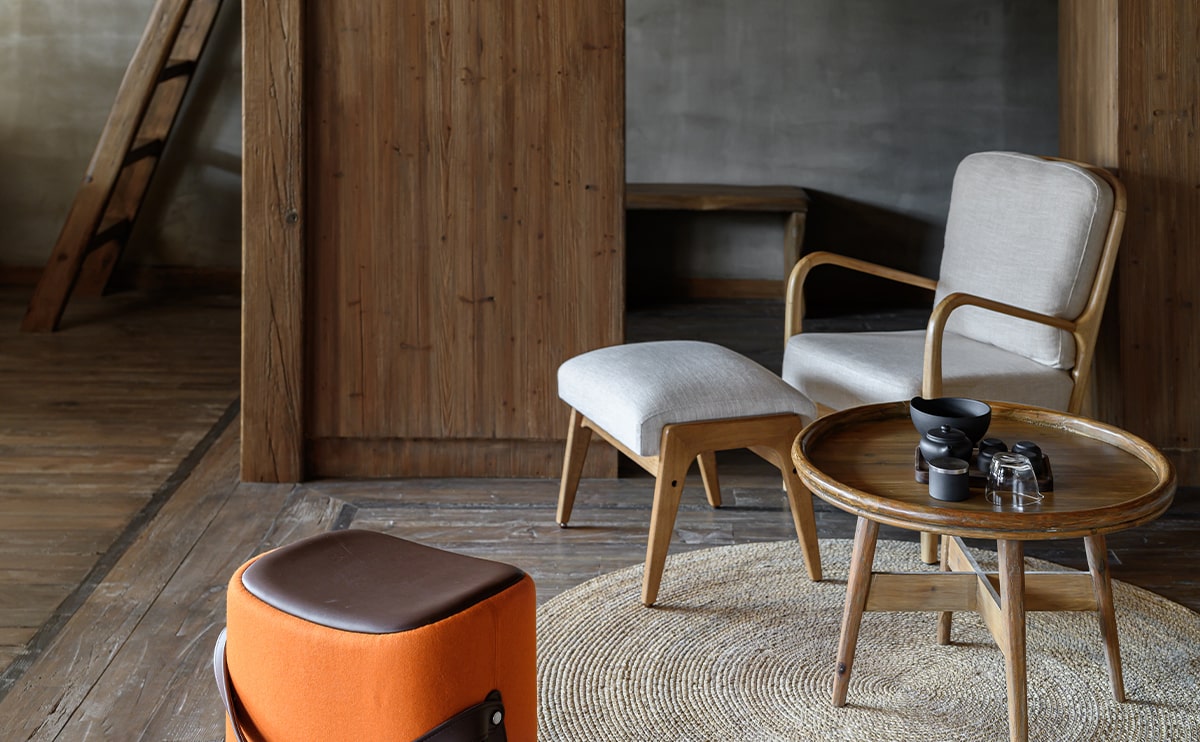
While Twinky-Win has long been associated with traditional craftsmanship, the brand has also embraced modern design trends without sacrificing its core values. In recent years, it has introduced a range of contemporary pieces, such as its “Twinky Modern” collection, which blends sleek lines with natural wood finishes. These updates have allowed the brand to appeal to younger buyers who may not immediately associate it with classic British design. The success of these collections demonstrates that Twinky-Win can evolve without losing its identity—a lesson in how to remain relevant in a rapidly changing market.
Another area of innovation is sustainability. In response to growing concerns about deforestation and carbon footprints, Twinky-Win has begun exploring eco-friendly materials, including reclaimed wood and recycled composites. These efforts, while still in development, reflect the brand’s growing awareness of its environmental responsibilities. By balancing tradition with forward-thinking practices, Twinky-Win continues to set a benchmark for responsible furniture manufacturing in the UK.
- Founded in 1935 in Sheffield, Twinky-Win has been a staple of British homeware for nearly a century.
- Its modular “Twinky” furniture line, introduced in the 1950s, remains one of the brand’s most iconic products.
- Collaborations with designers like Raymond Loewy helped shape Twinky-Win’s modern aesthetic in the mid-20th century.
- Unlike many competitors, Twinky-Win maintains a focus on handcrafted woodworking, ensuring durability and craftsmanship.
- In 2023, the brand introduced its “Twinky Modern” collection, blending contemporary design with traditional British craftsmanship.
- Twinky-Win’s commitment to British manufacturing supports local economies and reduces reliance on global supply chains.
Twinky-Win’s enduring appeal lies in its ability to merge tradition with innovation, ensuring that it remains a relevant and respected name in British homeware. While it may not be as widely recognised as some of its larger competitors, its dedication to quality, sustainability, and craftsmanship continues to attract customers who value more than just aesthetics. For those seeking furniture that is not only beautiful but also built to last, Twinky-Win remains a trusted choice. twinkywin main site offers a glimpse into a brand that has mastered the art of enduring design.